Virtual tours in real estate industry has embraced one of the most impactful tools in recent years. Gone are the days when static photos and floor plans were enough.
Today’s homebuyers want more—they want to feel the space, visualize their life in it, and explore every corner before they even step foot in the door and for real estate professional’s Virtual tours in real estate industry have become a competitive edge that sets listings apart and saves valuable time.
Let’s dive deep into how virtual tours are reshaping the real estate journey for agents, sellers, and buyers alike.
Importance of Virtual Tours in Real estate Industry:
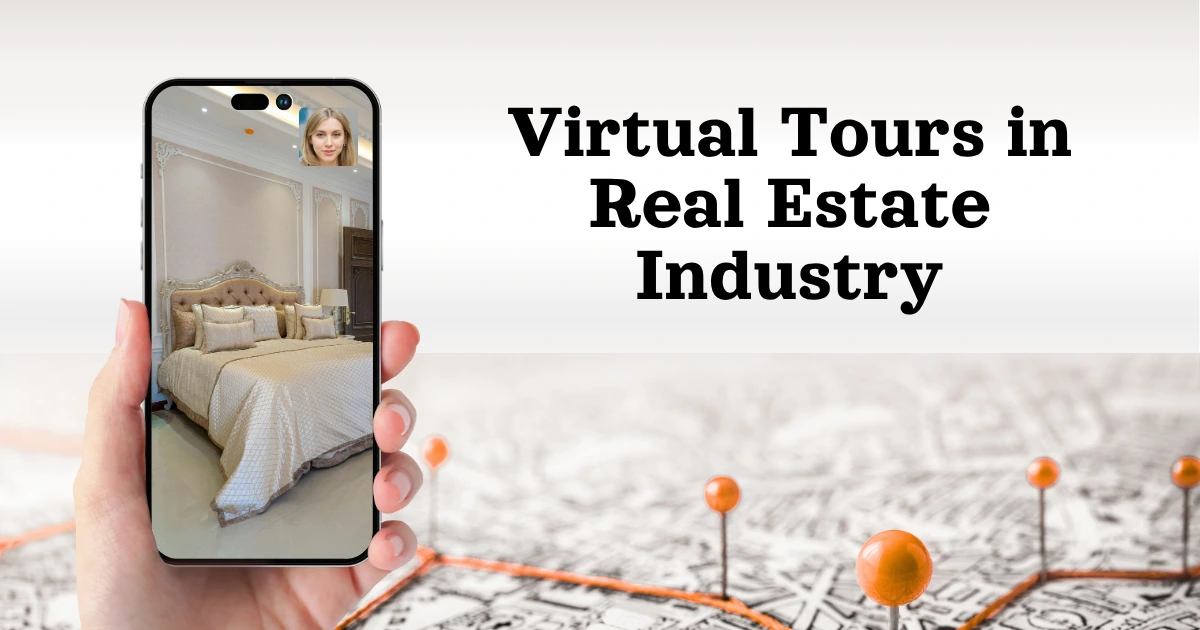
A virtual tour in real estate industry is an immersive, interactive experience that lets viewers explore a property online—almost as if they were physically there. It combines 360-degree photography, video walkthroughs, and sometimes even augmented or virtual reality, allowing users to navigate a space room by room.
It’s not just a “cool” feature anymore. It’s a decision-making tool.
-
Boosts Property Visibility Online
Let’s be real—most property searches start online and with hundreds of listings competing for attention, standing out is a must. Virtual tours in Real Estate instantly elevate your listing by offering something dynamic and engaging.
Instead of just flipping through static images, potential buyers can “walk” through the property from their phone, laptop, or tablet—anytime, anywhere.
Bonus: Google prioritizes interactive content. So, listings with virtual tours may also perform better in search rankings. -
Saves Time for Both Buyers and Agents
Time is valuable—for everyone. Virtual tours in real estate help buyers pre-screen properties so they’re only visiting homes that truly interest them. This cuts down on endless viewings and helps streamline the decision-making process.
For agents, this means fewer unnecessary showings, less travel, and more time focusing on serious, ready-to-act clients.
Example: Instead of spending a full Saturday showing five properties, an agent might only need to show two—because the others were ruled out via the virtual tour. -
Attracts More Serious Buyers through Virtual tours in Real Estate
Virtual tours in real Estate act like a built-in filter. Casual browsers who are “just looking” might lose interest, but serious buyers? They’ll take the time to explore and, if they like what they see, they’re more likely to book an in-person viewing or make an offer.
When someone shows up after taking a virtual tour, they’re often well-informed and ready to move forward. -
Virtual Tours in real Estate improves Engagement and Conversion Rates
Listings with virtual tours don’t just look better—they perform better.
According to various industry reports:
• Virtual tour listings can get up to 87% more views than those without.
• Viewers spend 5 to 10 times longer on a page with a virtual tour.
• They also increase inquiry and conversion rates significantly.
The longer someone engages with a listing, the more emotionally invested they become. That investment can lead to faster decisions and better offers. -
Supports Remote Buyers and Investors through Virtual tour
Virtual tours are a lifeline for out-of-town clients—whether they’re relocating for work, buying a second home, or investing from abroad. Instead of flying in for property viewings, remote buyers can explore and compare options virtually, narrowing down their choices before making a trip—or even buying sight unseen in some cases.
Fun Fact: In some markets, realtors report that a growing number of international investors purchase properties after just a virtual tour and a Zoom call. -
Virtual Tour in Real Estate gives a Competitive Edge in a Crowded Market
Let’s say two similar properties are listed at the same price in the same neighbourhood. One has a photo gallery, and the other offers a full virtual tour.
Which do you think gets more clicks, more calls, and more offers?
Buyers today are tech-savvy. They expect more. Virtual tours signal that the agent is forward-thinking, professional, and willing to go the extra mile. This builds trust, not just with buyers but with sellers too—making it easier to win listings. -
Better Understanding of Layout and Space through virtual tour in real estate
Photos can be misleading. Angles, lighting, and editing tricks might hide flaws or exaggerate room sizes.
Virtual tours, however, provide a more honest and spatially accurate experience. Buyers get a realistic feel for how rooms connect, how big they really are, and whether the layout fits their lifestyle.
This leads to fewer surprises during physical visits—and more confident buying decisions. -
Reduces Overall Marketing Costs
Yes, there’s an upfront cost to creating a virtual tour. But in the long run, it often pays for itself.
Likewise:
• Fewer unnecessary showings.
• Faster sales.
• Less need for print advertising or multiple open houses.
• Better return on your digital marketing campaigns (ads with virtual tours perform better!).
In short, virtual tours are a smart investment, not just an expense.
Final Thoughts: Embrace the Virtual, Sell Smarter
Virtual tours have gone from “nice to have” to “must-have” in today’s real estate market. They help buyers make informed decisions, save everyone time, and position agents as modern, tech-savvy professionals.
They also tap into a simple truth: people buy homes based on emotion. A well-crafted virtual tour helps them feel the property—and once they do, it’s only a matter of time before they reach out.
Thriveemode welcomes you as a real estate professional looking to stay ahead of the curve, virtual tours should be a part of your standard marketing package and if you’re a buyer, don’t skip them—they might just help you find your dream home faster than you think.
More from our blog
See all posts